Vinyl Replacement Windows for Drafty Pittsburgh Houses: A Fall Buyer's Guide
The best replacement windows for a drafty Pittsburgh house: what to look for in vinyl frames and glass, insert vs. full-frame, why fall is the time to order, and what changed with the window tax credit in 2026.
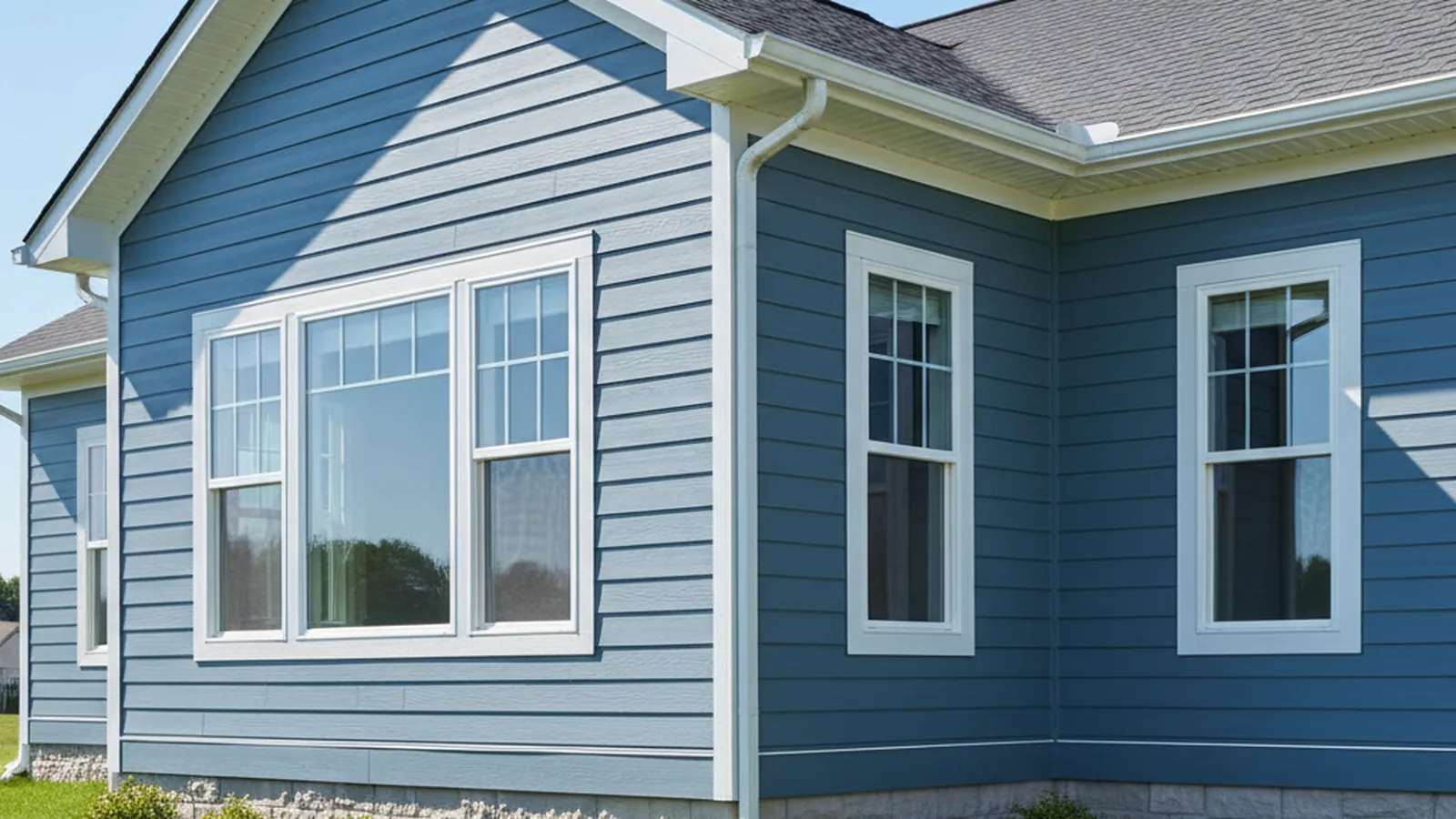
For most Pittsburgh homes, vinyl is the best-value replacement window you can buy. A well-made vinyl window with double-pane, low-E, argon-filled glass stops drafts, never needs painting, and holds up to Western PA winters for decades. The catch is that “vinyl window” covers everything from a thin-walled builder-grade unit to a heavily reinforced premium frame, and how it’s installed matters as much as what it’s made of.
Here’s how to tell the difference, and why late September is the right time to start.
The best replacement windows for a drafty house
If drafts are the main complaint, the fix is three things working together, not just new glass:
- A tight sash seal. Most drafts come from worn weatherstripping and loose sashes, not the glass. New windows with multi-point weatherstripping and a positive lock close that gap.
- An insulated frame. A multi-chambered vinyl frame stops the cold that conducts through old wood and aluminum frames.
- A sealed opening. The gap between the window and the wall is where a lot of cold air gets in. Foaming and flashing that gap during installation matters as much as the window you pick.
For most drafty Pittsburgh houses, a quality vinyl window with double-pane, low-E, argon glass, installed with the opening properly sealed, is the best combination of comfort and value. Triple-pane is worth it on the coldest, windiest sides of the house.
Why fall is the time to order new windows
Replacement windows are built to order. Once your openings are measured, most units take four to eight weeks to arrive, depending on the brand and options. That timeline is the whole reason to start now:
- Measure in late September or October, install before deep winter. Order in the next few weeks and your windows can typically be in before the coldest stretch of the season arrives, instead of after you’ve paid to heat the neighborhood through January.
- You’ll feel the drafts now. The first cold nights of fall are the best time to find your worst windows. Walk the house on a chilly, windy evening and note the rooms that feel cold, the sashes that rattle, and the glass that fogs. That list is a head start on your estimate.
- Heating season is the payback season. Pittsburgh averages roughly 80 days a year that cross the freezing mark and about 44 inches of snow (NOAA 1991 to 2020 normals at Pittsburgh International). Every one of those days pushes heat out through single-pane glass and leaky frames.
Installation itself doesn’t stop in winter. Our crews install year-round and work one opening at a time, so the house is only open for minutes per window. But there’s no reason to spend the winter with the old ones if you can avoid it.
What makes a good vinyl replacement window
Not all vinyl is the same. When you compare quotes, look past the brand name at these five things:
- The vinyl itself. Better windows use a vinyl compound engineered to resist UV and hold its color, so a white frame stays white on a south-facing wall. Cheap vinyl chalks, yellows, and gets brittle.
- Frame construction. Look for welded corners (not screwed or mechanically joined) and multi-chambered frames. The hollow chambers inside the frame are what insulate it and keep it rigid.
- The glass package. Double-pane with a low-E coating and argon gas is the minimum we recommend for Pittsburgh. Triple-pane adds more comfort and sound control on busy streets and north-facing rooms.
- Warm-edge spacers. The spacer between the panes is where condensation and frost show up first on older windows. A warm-edge spacer keeps the glass edge warmer and cuts down on winter condensation.
- The warranty. A strong vinyl window warranty is lifetime and transferable, so it follows the house if you sell. Read what it covers: frame, glass seal, hardware, and whether labor is included.
We install ProVia vinyl windows as our vinyl line for exactly these reasons. ProVia builds them with its SunShield® vinyl for weatherability and color retention, and they carry a lifetime transferable warranty against chipping, cracking, peeling, and blistering. If vinyl isn’t the right fit for a particular house, we also install Pella wood-clad and Marvin wood and fiberglass windows, and we’ll show you all three side by side. Our Pittsburgh replacement windows page covers the full lineup.
Vinyl vs. wood-clad vs. fiberglass
- Vinyl is the best value and needs essentially no upkeep. It’s the right call for most homes, including brick and siding houses from the 1950s through today.
- Wood-clad gives you real wood on the inside and a maintenance-free aluminum exterior. It suits homes where the interior trim and woodwork are a feature.
- Fiberglass and all-wood are for historic profiles, custom sizes, and homes where the look of the original window matters most.
If you’re weighing the whole package, our earlier guide to energy-efficient window options goes deeper on glass, coatings, and frames.
Insert or full-frame replacement?
This is the question that separates a good window job from a mediocre one.
Insert (pocket) replacement keeps your existing frame and trim and sets the new window inside it. It’s faster and less expensive, and it’s the right choice when the old frame is square, dry, and solid.
Full-frame replacement removes everything down to the rough opening. It’s the right call when there’s rot, water staining under the sill, or you want to change the window size or style. It also lets us inspect and reflash the opening, which is where most long-term leaks start.
We check every frame on the measure visit and recommend one or the other per window, not a blanket answer for the house. Either way, we foam and flash each opening rather than relying on caulk alone, and finish the exterior in aluminum or Azek trim so there’s no bare wood left to weather.
Replacing windows in an older Pittsburgh home
Pittsburgh’s houses are older than most. In Allegheny County, the median home was built in 1957, and about 28% were built before 1940 (U.S. Census Bureau, ACS 5-year estimates). That changes the job:
- Out-of-square openings. Older openings are measured individually. A window that’s 1/4” off in a 90-year-old frame needs to be ordered and shimmed for that opening, not a catalog size.
- Lead-safe work. Any home built before 1978 may have lead paint on the trim. We handle those jobs under EPA lead-safe work practices whenever we disturb painted surfaces.
- Historic districts. If your home is in a City of Pittsburgh historic district, exterior window changes visible from the street need a Certificate of Appropriateness from the Historic Review Commission before the permit is issued. Replacing in kind is usually a staff-level review; changing a visible material can go to a full hearing. We’ll tell you which one you’re looking at during the estimate, and whether a wood or fiberglass window is the better fit than vinyl.
- Old vinyl from the 1990s. A lot of the “replacement” windows we pull out now were the first generation of vinyl. If yours have fogged between the panes, feel drafty at the sash, or won’t stay open, the seals and weatherstripping are done.
Signs it’s time to replace your windows
- Drafts you can feel from across the room on a cold, windy day
- Fog or moisture between the panes (a failed seal, not fixable by cleaning)
- Frost or heavy condensation on the inside glass in winter
- Sashes that stick, won’t stay up, or won’t lock
- Soft, rotted, or water-stained sills and frames
- A furnace that seems to run all night
- Street noise you can hear clearly through the glass
One note: we don’t repair existing windows. We don’t replace glass, reglaze sashes, or fix balances. If a window has failed, we replace the whole unit properly, and we’ll tell you honestly if only one or two windows actually need it.
What happened to the window tax credit?
If you’ve been reading older articles about a federal tax credit for new windows, that credit is gone. The Energy Efficient Home Improvement Credit (Section 25C) covered a portion of the cost of qualifying windows through the end of 2025, but it was terminated for property placed in service after December 31, 2025. Windows installed in 2026 don’t qualify. (As always, check with your tax professional about your own situation.)
The real savings from new windows was never the credit anyway. It’s the heating and cooling you stop paying for every winter and summer after they’re in.
Financing your new windows
You don’t have to wait until you can pay for a whole house of windows at once. Ireland Contracting offers flexible monthly payment plans for qualified homeowners through our lending partners, Service Finance and Dollar Bank, and financing is available for windows as well as roofing, siding, and full exterior projects. Financing is subject to lender approval, and we’ll walk you through the options during your free estimate. See our financing options for details.
Get a free window estimate this fall
Ireland Contracting has installed replacement windows for Western Pennsylvania homeowners since 1994, with our own crews rather than subcontractors. We’ll measure every opening, check every frame, and give you a free, itemized estimate per window, with a straight answer on whether vinyl is the right choice for your house.
Call (412) 492-7663 or request a free estimate. We serve homeowners across the Greater Pittsburgh area, including Pittsburgh and the surrounding counties.