Andersen 100 Series vs. A-Series Windows: Which Fits Your Pittsburgh Home?
How Andersen's 100 Series and A-Series windows compare on materials, colors, sizes, and warranty coverage, and which one suits an older Pittsburgh home, from an Andersen Certified Contractor.
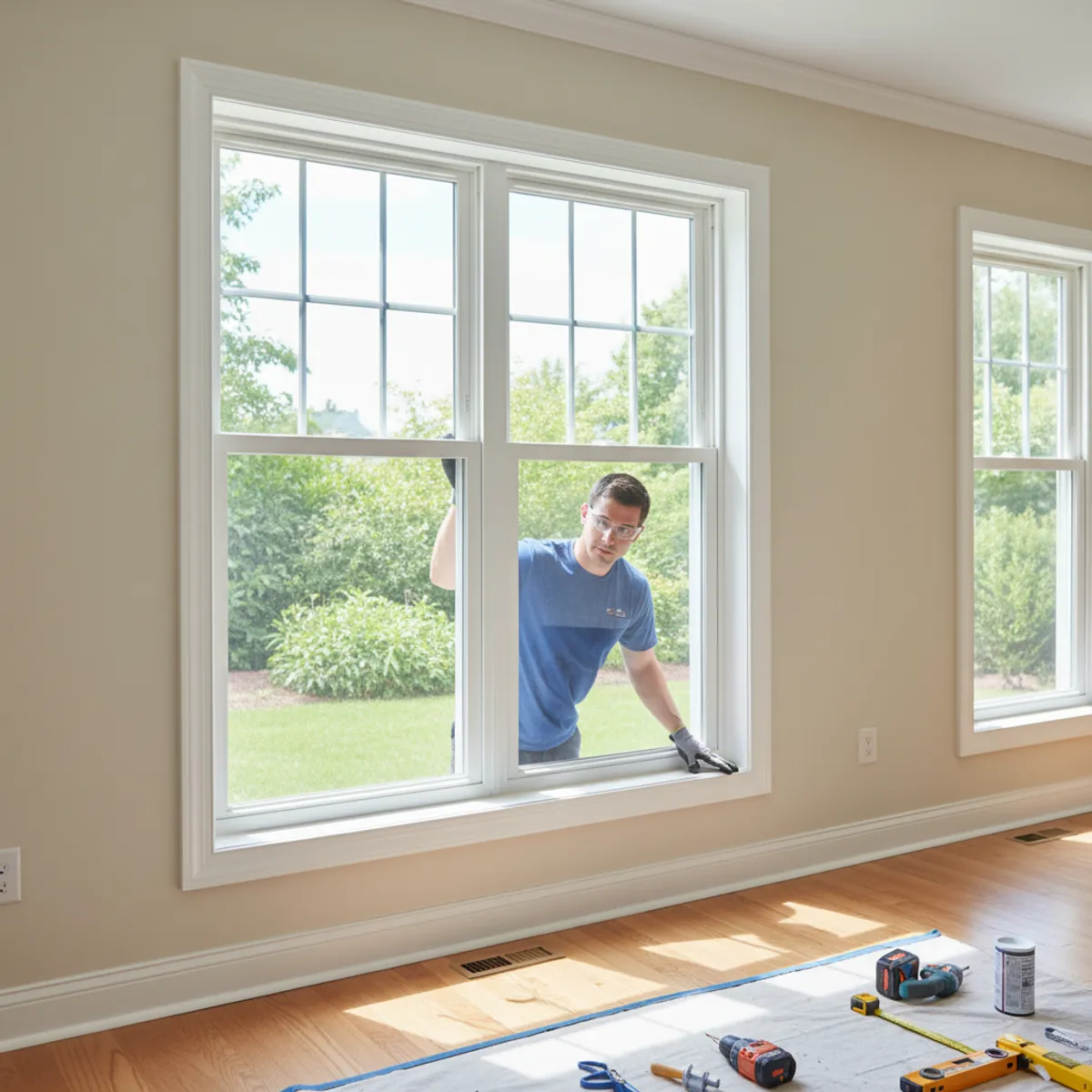
Ireland Contracting is now an Andersen Certified Contractor, and we install two Andersen window lines: the 100 Series and the A-Series. They come from the same company and carry the same transferable warranty structure, but they’re built from different materials for different houses.
The short version: the 100 Series is a low-maintenance composite window and a real step up from vinyl. The A-Series is Andersen’s architectural line, with a solid wood interior for homes where the woodwork matters. Here’s how to tell which one belongs in your house.
The two lines at a glance
| 100 Series | A-Series | |
|---|---|---|
| Frame material | Fibrex® composite | Solid wood interior, fiberglass and Fibrex® exterior |
| Interior | White, black, or dark bronze finish | Natural, stained, or factory-finished wood |
| Color choices | 5 exterior, 4 interior | 11 exterior, 13 interior |
| Window styles | Casement, awning, single-hung, gliding, picture | Casement, awning, double-hung, picture, specialty shapes |
| Glass warranty | 20 years | 20 years |
| Exterior finish warranty | 10 years | 20 years against peeling and cracking |
| Parts and components | 10 years | 10 years |
Both lines are made to order, with custom sizes in 1/8” increments, so they fit the out-of-square openings we find in a lot of older Pittsburgh houses.
Andersen 100 Series: the composite step up from vinyl
The 100 Series is built from Fibrex, Andersen’s composite of wood fiber and polymer. Andersen rates it twice as strong as vinyl, and the practical result is a frame that stays rigid and keeps its shape through hot summers and freeze-thaw winters.
What sets it apart from most vinyl windows is color. Vinyl is usually limited to white and a few light shades, because dark vinyl can absorb heat and warp. The 100 Series comes in deep colors like black and dark bronze, inside and out, and the finish is built not to flake, blister, or peel. If you want the dark-framed look on a brick or siding house without signing up for painting, this is the window that does it.
It’s also the more budget-conscious of the two lines, it needs essentially no upkeep, and it’s available as a replacement insert for openings where the existing frame is sound.
The 100 Series is a good fit for:
- 1950s through 1990s homes replacing first-generation vinyl or aluminum windows
- Homeowners who want black or bronze frames on a budget
- Basements, back bedrooms, and secondary rooms on a mixed-line project
- Anyone who wants to stop thinking about window maintenance
Andersen A-Series: wood inside, weatherproof outside
The A-Series is Andersen’s top line. Each window combines a solid wood interior with an exterior of fiberglass and Fibrex composite, so you get real wood you can stain or paint on the inside and a low-maintenance shell that stands up to rain, snow, and sun on the outside.
That combination matters in the houses we work on most. A lot of Pittsburgh homes built before 1940 have original oak or chestnut trim, deep plaster returns, and windows that were part of the architecture. A vinyl or composite window in those rooms can look out of place. The A-Series wood interior can be stained to match the trim around it, and it comes in a wider range of colors, hardware finishes, and grille patterns than the 100 Series, so it can match a Victorian in Bellevue or a Tudor in Mt. Lebanon.
The A-Series also covers more shapes, including double-hung and specialty windows, and larger awning sizes (up to 6 feet wide).
The A-Series is a good fit for:
- Older brick, stone, and Craftsman homes with original interior woodwork
- Front-facing rooms where the window is part of the look of the house
- Historic profiles, specialty shapes, and custom grille patterns
- Homeowners planning to stay long enough to value the longer finish warranty
What the Andersen warranties actually cover
Both lines carry Andersen’s Owner-to-Owner® limited warranty, which is transferable. If you sell the house, the remaining coverage goes with it to the next owner, which is a real selling point on a listing.
Here’s what each warranty covers, from Andersen’s own warranty documents:
Glass (both lines): 20 years. The factory-installed glass is covered against manufacturing defects and against seal failure that clouds the view between the panes. This is the warranty that matters most for the fogged-glass problem we see on 1990s windows.
Parts and components (both lines): 10 years. Locks, hinges, operators, balances, weatherstripping, screens, and the sash and frame members are covered against defects in manufacturing, materials, and workmanship.
Exterior finish:
- 100 Series: 10 years against flaking, blistering, cracking, peeling, and corrosion, plus 10 years against noticeable fading.
- A-Series: 20 years against blistering, cracking, peeling, or loss of adhesion, plus 10 years against noticeable fading.
What to know before you sign:
- Labor isn’t always included. For glass and component defects, Andersen supplies replacement parts, a factory repair, or a refund at its option. The labor to install replacement parts is not included. (For a covered exterior finish defect, refinishing labor is included.)
- Installation matters. Andersen’s warranty excludes problems caused by improper installation, units mulled incorrectly by others, and water getting in for reasons other than a product defect. Who installs the window is part of what protects the warranty.
- Condensation isn’t a defect. Moisture on the inside surface of the glass in winter is a humidity issue, not a product failure, and it isn’t covered.
- Register it. Andersen offers online warranty registration. We register the manufacturer warranty for you at the final walkthrough.
- Read the dispute section. Andersen’s warranty includes a dispute resolution process with an opt-out window of one year from purchase. It’s worth reading before you file it away.
Why the installer matters as much as the window
A window is only as good as the opening it goes into. On an older house, that means measuring every opening individually, checking the sill and frame for rot, and choosing between an insert replacement (new window inside the existing frame) and a full-frame replacement (down to the rough opening, so the sill can be inspected and reflashed). We make that call per window on the measure visit, not one answer for the whole house.
Then the window is set, shimmed, foamed, and flashed rather than caulked in place, and the exterior is finished in aluminum or Azek so no bare wood is left to weather. That’s the part of the job that keeps water out for the life of the window, and it’s the part Andersen’s warranty assumes was done right.
How Andersen fits with the other windows we install
Andersen isn’t the only line we carry, and that’s on purpose. We also install ProVia vinyl for best-value projects, Pella wood-clad for a wood interior with an aluminum exterior, and Marvin wood and fiberglass for historic and custom work. Because we aren’t tied to one manufacturer, we can put the 100 Series in the back of the house and the A-Series in the front room, or tell you plainly when a different brand is the better buy. Our Pittsburgh replacement windows page covers the full lineup, and our guide to vinyl replacement windows goes deeper on the vinyl side.
Get a free Andersen window estimate
Ireland Contracting has installed replacement windows for Western Pennsylvania homeowners since 1994, with our own crews rather than subcontractors. We’ll walk you through both Andersen lines, measure every opening, and give you a free, itemized estimate per window.
Call (412) 492-7663 or request a free estimate. We serve homeowners across the Greater Pittsburgh area, including Pittsburgh and the surrounding counties.