What Drives the Cost of a New Roof in Pittsburgh?
Roof size and pitch, layers to tear off, rotted decking, flashing, ventilation, and the shingle line all move the price of a new roof. Here's what goes into a Pittsburgh roof quote and how to compare them.
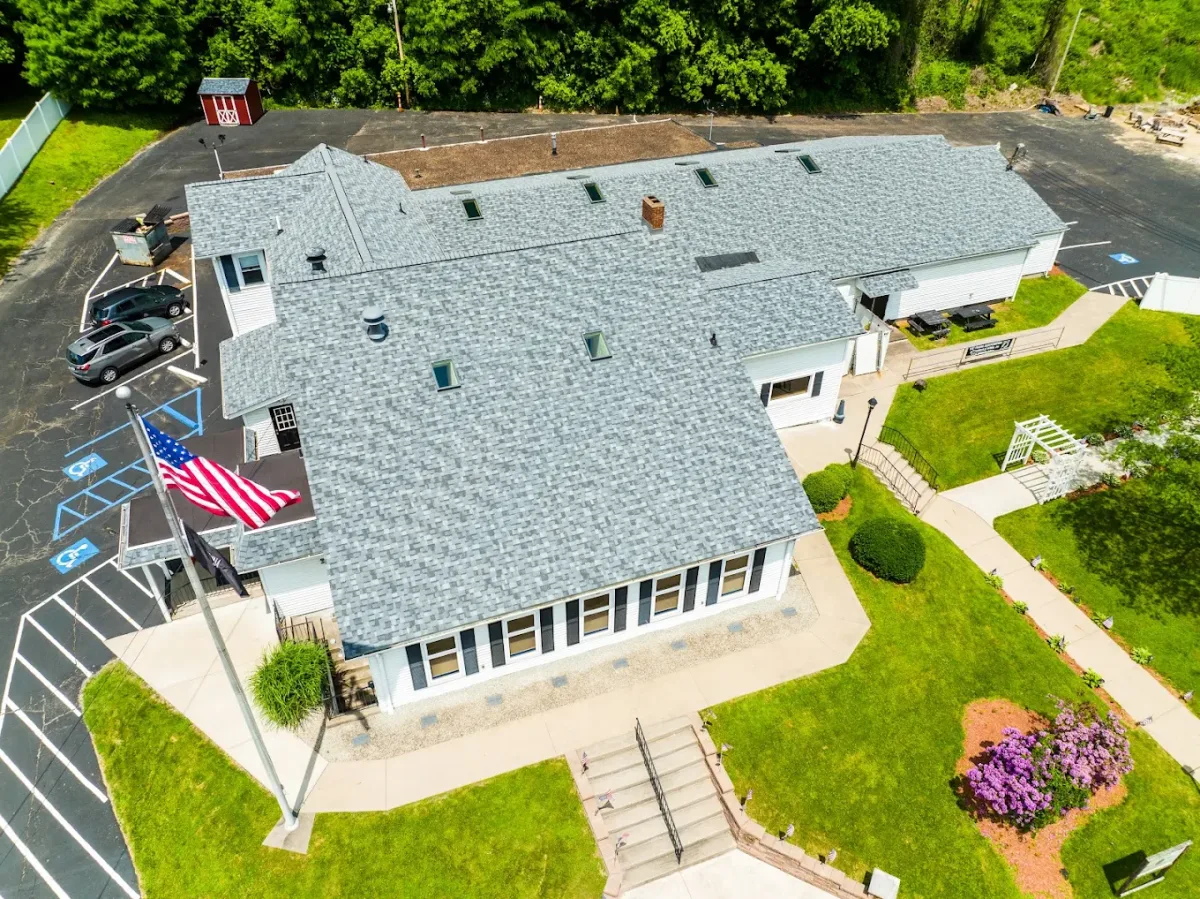
The short version: the cost of a new roof comes down to how much roof there is, how hard it is to work on, what has to come off, what’s wrong underneath, and what goes back on. Two houses on the same street can get very different quotes for honest reasons, which is why a price per square you find online tells you very little about your own roof.
We don’t publish prices, because a number that isn’t based on your roof is a guess. What we can do is walk through exactly what moves the price, so you know what you’re paying for and can tell a thorough quote from a thin one.
1. Roof size
Roofing is measured in squares, where one square is 100 square feet of roof surface. Roof area is not the same as your home’s floor area: overhangs, pitch, and dormers all add surface. Material, labor, and disposal all scale with it, so size is the starting point of every estimate.
2. Pitch and height
A steep roof is slower and more dangerous to work on. It needs roof jacks, harnesses, and more careful staging of materials, and crews simply cover less ground per hour. A walkable ranch in Shaler and a steep two-and-a-half-story brick home in Mt. Lebanon can have similar square footage and still be very different jobs. Height matters on its own too: a third-story roof means more time carrying material up and debris down.
3. How many layers come off
Plenty of Pittsburgh homes still carry two or three layers of old shingles, because a previous owner had new ones laid over the old. Every layer adds tear-off labor and dumpster weight. We tear off to the deck on every replacement rather than doing a layover, because a layover hides deck damage, adds weight, and voids many manufacturer warranties. A cheaper quote that skips the tear-off is usually a layover, and it’s worth asking.
4. Decking condition
The deck is the plywood or board sheathing the shingles are nailed to. Nobody can see its condition until the old roof comes off, so a good estimate explains how rotted or soft decking will be handled if it turns up. Long-ignored leaks, ice dams, and poor attic ventilation are the usual causes. Older homes with plank decking sometimes need more attention than a newer house with plywood.
5. Flashing, chimneys, valleys, and skylights
Every place the roof meets something else is a place water can get in, and each one is handwork:
- Chimneys need new step and counter flashing. Many Pittsburgh chimneys were flashed with tar decades ago, and doing them properly takes time.
- Walls and dormers need step flashing wherever the roof runs into them.
- Valleys need metal or membrane, and a cut-up roof with lots of them costs more than a simple gable.
- Skylights need new flashing, and an old or fogged unit is often replaced during the re-roof, when it’s easiest to do. See our skylight services.
A roof with one chimney and two slopes is a very different job from one with three dormers, a chimney, and a skylight.
6. Ventilation
An under-ventilated attic cooks shingles from below and helps ice dams form at the eaves. It’s common on the 1950s and 60s ranches and split-levels across the North Hills and South Hills. If your attic needs added ridge or soffit ventilation, that’s part of the job, and it’s money well spent: ventilation and installation quality drive how long a roof lasts more than the shingle line does. Our guide to how long a roof lasts in Western PA explains why.
7. The shingle you choose
Material is a real factor, though often a smaller share of the total than people expect. 3-tab shingles are the budget option; architectural shingles cost more but last longer and handle wind far better; designer lines cost more again. We install Owens Corning systems, primarily Duration architectural shingles, and we cover the trade-offs in 3-tab vs. architectural shingles. Labor and tear-off are the same either way.
8. Underlayment and ice-and-water shield
What goes under the shingles matters in a freeze-thaw climate. Our replacements include synthetic underlayment across the whole roof and ice-and-water shield at the eaves, valleys, and around every penetration. Some quotes leave these thin or skip them to hit a number. Ask what’s included and where.
9. Flat and low-slope sections
Many Pittsburgh homes have a flat porch roof, a rear addition, or a low-slope section that shouldn’t get shingles at all. Those take an EPDM rubber membrane, which is a different material and a different install. See our rubber roofing page.
10. Slate and other special roofs
If you have a slate roof, the first question isn’t cost, it’s whether you need a new roof at all. Most slate “failures” are worn flashing, not worn stone, and a repair is often the right answer. Read our slate roof repair page before anyone quotes you a tear-off.
11. Gutters and trim
A re-roof is the natural time to replace failing gutters or rotted fascia, since the roof edge is already open. It adds to the project, but it’s cheaper than doing it separately later. See seamless gutters and soffits and fascia.
What can lower what you pay
- Insurance. Storm and hail damage is one of the most common ways a roof replacement gets paid for. Most homeowners policies cover sudden wind, hail, and fallen-debris damage. We document the damage, meet the adjuster on the roof, and handle the paperwork with you.
- Financing. We offer financing through Service Finance and Dollar Bank, subject to lender approval. See our financing options.
- A repair instead. If the damage is localized and the roof has years left, a roof repair is the better value, and we’ll tell you so.
- Not waiting. A small leak fixed now is a small job. Left through a winter, it becomes rotted decking and soaked insulation, and the estimate grows with it. If you’re not sure, start with the signs your roof is leaking.
How to compare roof quotes
Price is only meaningful if the quotes describe the same roof. Put them side by side and check:
- Tear-off or layover? And how many layers are they planning for?
- Decking. How is rotted decking handled if they find it?
- Underlayment and ice-and-water shield. Synthetic across the whole roof? Where does the ice-and-water go?
- Flashing. New step and counter flashing, or sealant over the old?
- Ventilation. Did anyone go into the attic?
- Shingle line. Brand and product name, not just “architectural.”
- Warranty. Is it the manufacturer’s system warranty, and is the installer certified to offer it? As an Owens Corning Platinum Preferred Contractor, a full system we install qualifies for warranties up to 50 years.
- License and insurance. Pennsylvania home improvement contractors must be registered. Ours is PA #026195.
- Cleanup. Debris haul-off and a magnet sweep for nails should be written in.
If one quote is much lower than the rest, it’s almost always leaving something off that list.
Get a real number for your roof
Every replacement we do starts with a free inspection from the roof and the attic, covering the decking, ventilation, flashing, and underlayment, not just the shingles. You get a written, itemized estimate that shows exactly what’s included, and a straight answer if what you need is a repair rather than a new roof.
Ireland Contracting has roofed Western Pennsylvania homes since 1994 and is licensed, bonded, and insured under PA #026195. See our Pittsburgh roofing services for the full system we install.
Call (412) 492-7663 or request a free estimate. We serve homeowners across the Greater Pittsburgh area.