How Long Does Siding Last in Western PA?
Most house siding lasts 20–50 years depending on the material. Here's the lifespan of vinyl, aluminum, wood, composite, and fiber cement siding, why Pittsburgh weather shortens it, and how to know when it's time to replace.
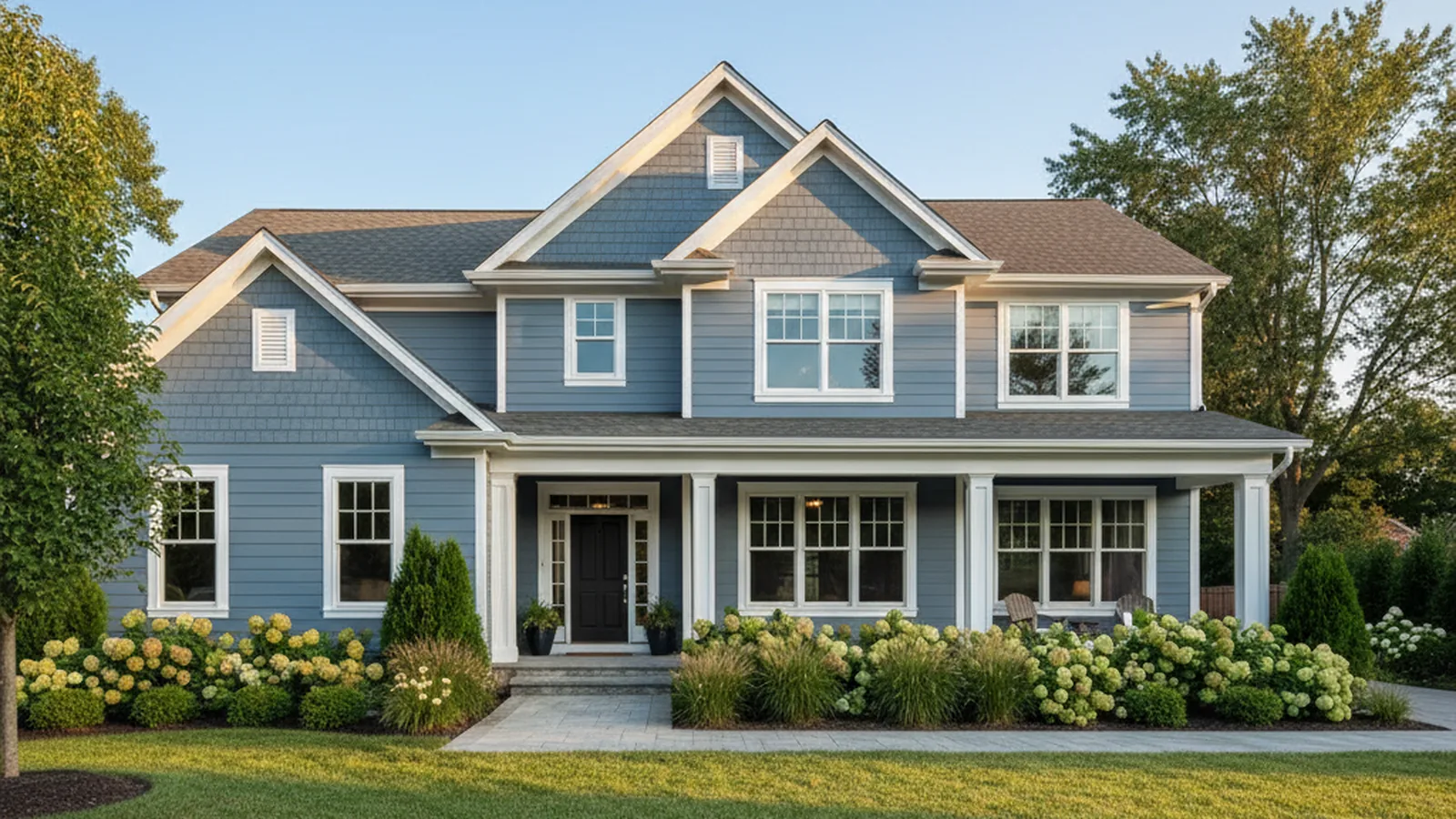
Most house siding lasts between 20 and 50 years, depending on the material. Vinyl — the most common siding around Pittsburgh — typically lasts 20 to 40 years, while fiber cement can last 50 years or more. But Western Pennsylvania’s freeze-thaw winters, wind-driven rain, and summer sun tend to push real-world lifespans toward the lower end of those ranges, so what’s on your walls matters less than how it’s holding up.
Here’s what to expect from each siding type, why our climate is hard on an exterior, and how to tell when yours is done.
Average siding lifespan by material
These are typical service-life ranges for siding installed and maintained correctly. In our climate, plan for the lower end of each range:
- Vinyl siding: 20–40 years. The most popular choice in the Pittsburgh area. Thicker premium panels sit at the top of that range; thin builder-grade vinyl cracks and fades much sooner.
- Aluminum siding: 30–40 years structurally, but far less than that cosmetically. Aluminum holds up to weather but dents easily and chalks — most homeowners replace it because it looks tired, not because it failed.
- Wood and cedar siding: 20–40 years, and entirely dependent on upkeep. Repainting or resealing every 5–7 years is what gets wood to the top of that range. Neglected wood siding in our damp climate can rot in well under 20.
- Engineered wood / composite siding: 30–50 years. Gives you a real wood look with far better moisture and insect resistance than natural wood.
- Fiber cement siding: 50+ years. The longest-lived option we install — it won’t rot, won’t burn, and stands up to freeze-thaw better than almost anything else.
Installation quality matters as much as the material. Siding that isn’t properly flashed, furred out, or given room to expand and contract will fail years early no matter what it’s made of.
Why Western PA weather shortens siding life
Pittsburgh and the surrounding counties put an exterior through a punishing annual cycle:
- Freeze-thaw cycles. Moisture that works behind a panel or into a seam expands when it freezes, loosening fasteners and widening gaps — over and over, all winter long.
- Wind-driven rain. Our storms push water sideways into laps and seams. Where flashing or house wrap is weak, that’s where rot starts, usually invisibly.
- Sun exposure. South- and west-facing walls take years more UV punishment than the rest of the house. It’s common to see one elevation faded and brittle while the others still look fine.
- Hail and wind. A single strong storm can crack vinyl, dent aluminum, or tear panels loose — and cracked panels let water in.
- Humidity and shade. North-facing walls and shaded elevations hold moisture, which drives the mildew, streaking, and rot we see constantly on older wood siding.
None of this means siding won’t last here — it means siding in Western PA works harder than siding in a milder climate.
6 signs your siding is near the end of its life
Age is only part of the picture. Watch for these:
- Cracks, splits, or holes in panels — especially on the storm-facing side of the house.
- Warping, buckling, or loose panels, which usually point to moisture or heat behind the siding rather than a problem with the siding itself.
- Fading and chalkiness. If a wipe of your hand comes away with a powdery residue, the finish is spent.
- Rot, soft spots, or peeling paint on wood siding — press on it; healthy wood shouldn’t give.
- Mildew or streaking that keeps coming back after cleaning, which often means water is getting trapped behind the panels.
- Rising heating and cooling bills. Failing siding and the damaged insulation behind it let conditioned air escape.
If you’re seeing interior symptoms too — stains on walls or ceilings — the problem may not be the siding at all. Our guide to the signs your roof is leaking covers how to tell the difference.
Repair vs. replace
Not every aging exterior needs to come off. Some rules of thumb:
- Repair makes sense when the damage is localized — a few cracked panels after a storm, one damaged elevation — and the rest of the siding has years left. The catch with older siding is matching: discontinued colors and profiles are often impossible to blend invisibly.
- Replace is usually the better long-term call when the siding is near the end of its lifespan, when damage spans multiple walls, or when you’re finding rot behind the panels. Replacement is also the only time you can correct what’s underneath — house wrap, flashing, and insulation.
When it’s a close call, an inspection settles it. We’ll tell you honestly whether a repair will hold.
Which siding lasts longest on a Pittsburgh home?
If maximum lifespan is the goal, fiber cement is the answer — it handles freeze-thaw, moisture, and UV better than any other common siding, and it’s the one we most often recommend for exposed hilltop and west-facing homes.
That said, longest-lasting isn’t automatically the right choice. Premium vinyl is lighter, needs essentially no maintenance, and performs very well here when the panel is thick enough. Composite siding splits the difference, offering a genuine wood look without wood’s upkeep. The right pick depends on your home’s exposure, how long you plan to stay, and how much maintenance you’re willing to take on.
We install all three — see our siding services for the product lines we carry.
How to get the most years out of your siding
A little upkeep goes a long way in our climate:
- Wash your siding once a year to clear mildew, pollen, and road grime before they set in.
- Walk the perimeter after major storms and look for cracked, loose, or missing panels.
- Keep gutters clean and downspouts flowing — water spilling over a clogged gutter runs straight down your siding and behind it. Our fall maintenance checklist covers this alongside your roof.
- Trim shrubs and branches back from the walls so elevations can dry out.
- Reseal or repaint wood siding on schedule. This is the single biggest factor in whether wood lasts 15 years or 40.
- Fix small breaches promptly. One cracked panel is a cheap fix; the rot behind it a few years later isn’t.
Get a straight answer on your siding
If you’re not sure how much life your siding has left, the simplest step is having someone look at it. Ireland Contracting has served Western Pennsylvania homeowners since 1994, and we’ll give you an honest assessment — repair or replace — with no pressure.
Call (412) 492-7663 or request a free estimate. We serve homeowners across the Greater Pittsburgh area.